


Worcester Pest Identification: Silverfish
Recognize, Prevent & Manage Silverfish Infestations Serving Central Massachusetts
Silverfish, named for their silvery color and fish-like shape and movements, are found throughout the U.S., particularly in moist, humid areas of homes like bathrooms, basements, and attics. They are also called bristletails due to their three long, bristle-like appendages at their rear. These insects are secretive, often causing unnoticed damage.
Adult silverfish are about ½–¾ inch long, excluding the tail, with a teardrop, carrot, or fish-like body shape. They have flattened bodies, scales, threadlike antennas, and small, widely separated compound eyes. Immature silverfish resemble adults but are smaller and develop scales after a few molts.
Silverfish are wingless but fast runners and good climbers, surviving for weeks without food or water in high humidity environments (70–90%). They are nocturnal, hiding in tight spaces during the day. Females lay 1–3 eggs daily in hidden spots, with development taking 3–4 months in ideal conditions (72–90°F, 50–75% humidity) or up to 2–3 years otherwise. They can live up to three years.
Their diet includes paper, glue, clothing, and food items like flour and oats, preferring proteins over carbohydrates. They are also cannibalistic. Silverfish are found throughout homes, including living rooms and bedrooms, and thrive in room temperatures (70–85°F). They breed in various areas, like wall voids and attics, and are also common in commercial buildings.
Signs of infestation include feeding marks, yellow stains, scales, and feces on damaged materials. While silverfish do not pose a physical threat to humans, they can damage property, especially paper-based items. They can squeeze through tiny gaps, jump 2 feet vertically, and climb most surfaces except smooth, shiny ones.
Silverfish have a lifespan of 3–6 years, longer than most insects. They continue molting throughout adulthood, leaving behind thin, metallic silver exoskeletons that indicate infestation. These ancient insects have existed for over 400 million years. Their mating process is unique, involving a chase dance and prolific egg-laying, leading to rapid infestations.
Central Mass Trusts Us. See Why.
-
C"Robert was wonderful explaining as he checked the bait traps. He was courteous and neat."CONNIE AYLES
-
E"We really appreciated his honesty in reducing our final charge since the job turned out to be less involved than originally assumed."Evan Graber
-
K"Matt was awesome. He answered my questions, was very patient, and I learned a lot from him!"Kathleen Hebert
-
J"Matt was great. He kept me informed of his arrival time and went through our interior and exterior like an expert."Jayne McGinn
-
A"Kevin was a wonderful tech! He did a great job explaining everything to me and showing me where we had rodent activity."Amy Hadley
-
P"Ben did a very thorough job of house inspection and restocking/new mouse bait traps throughout the house."Patrick Pizzimenti
-
R"I didn't feel like I was getting a sales pitch, just a good inspection of my property."Rich Day
-
p"Kevin, the service technician, was thoroughly professional and friendly. Five Stars!"paul knaplund
-
p"They have done a great job keeping my house pest free."paul knaplund
Stay Ahead of Pests
Explore tips, local advice, and real answers from our Worcester team to help you protect your home, family, and property all year long.
-
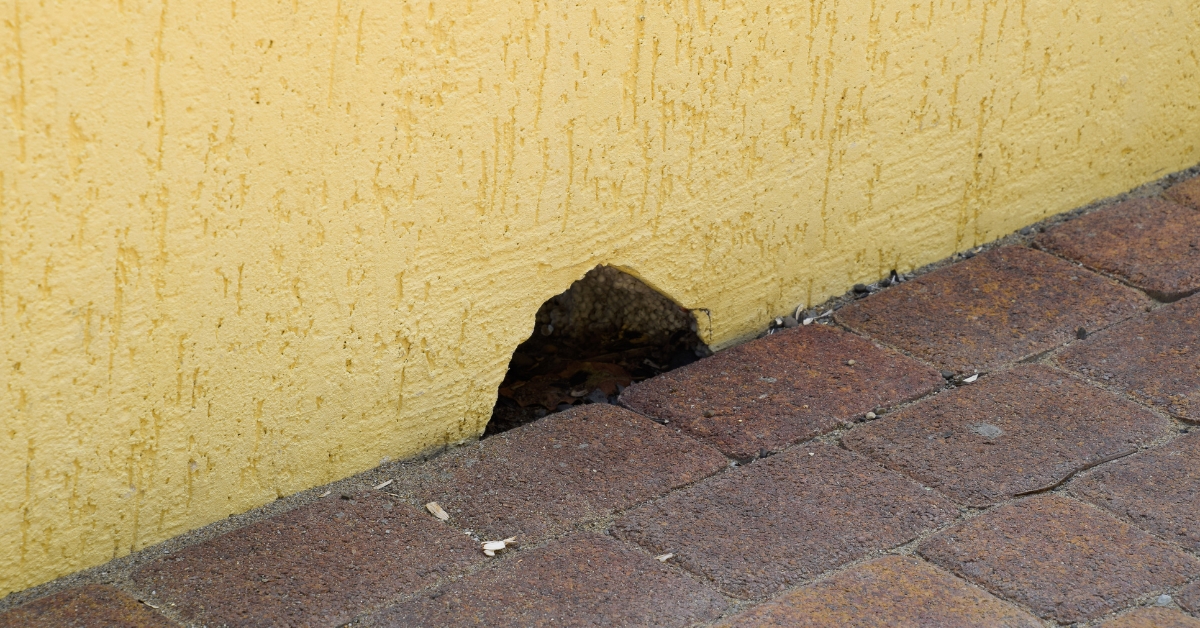 Places Rodents Sneak Into Homes Before Winter
- Pest Control
Ford’s Hometown Services 10/01/26Read More -
 August Testimonial Prompt Service & Clear Answers
- Pest Control
Ford’s Hometown Services 09/29/26Read More -
 The Silent Damage Rodents Cause Before You See Them
- Pest Control
Ford’s Hometown Services 09/01/26Read More