


Worcester Pest Identification: Sod Webworms
Sod webworms are the larvae of lawn moths and are technically caterpillars. There are more than 20 species of sod webworms that infest turfgrasses across the United States, some of the most common include the bluegrass webworm, the vagabond webworm, the silver striped webworm, and the lawn or larger sod webworm. They restrict their feeding to grasses and most often attack Kentucky bluegrass, perennial ryegrass, fine fescue, bentgrass, and bermudagrass.
Often, the first sign of webworm infestation is small, ragged yellow patches or brown spots in your turf that eventually die. That’s because these lawn moth larvae live in the root of your lawn and eat the grass leaves, just above the crown. They can quickly kill an entire lawn in a matter of days.
Appearance and Behavior of Sod Webworms
Adult webworms, or lawn moths, are smaller than other moths and light gray or tan. The way they hold their wings when at rest makes them very hard to distinguish in your yard.
Depending on the species, the larvae tend to be green, beige, brown, or gray. They are cylinder-shaped, look like caterpillars, and tend to have dark spots on the body. They reach ¾ to 1 inch when grown. They hide in thatch and conceal themselves by webbing together plant debris into silk-lined tunnels or cases.
Sod webworms complete development, pupate, and emerge as adults from mid-May to mid-June. The entire lifecycle from adult to adult usually requires six to eight weeks. Depending on the exact species and the region you live in, several generations may develop in one year.
Caterpillars like the sod webworms feed primarily at night and hide in thatch during the day. Moths are also inactive during the day and are most noticeable in the early evening and can be identified by their zig-zagging flying pattern over the lawn. Sod webworms overwinter as larvae, with some species coiling into their woven silk cases.
What To Do If You Suspect Sod Webworms
If you see sod webworms, little moths flying above your grass at dusk, or brown spots in your lawn and are unsure why, call the professionals at Ford's Hometown Services at (774) 418-4908. Our team will identify and control the problem quickly and provide a plan to ensure your yard is protected from insect damage.
Central Mass Trusts Us. See Why.
-
C"Robert was wonderful explaining as he checked the bait traps. He was courteous and neat."CONNIE AYLES
-
E"We really appreciated his honesty in reducing our final charge since the job turned out to be less involved than originally assumed."Evan Graber
-
K"Matt was awesome. He answered my questions, was very patient, and I learned a lot from him!"Kathleen Hebert
-
J"Matt was great. He kept me informed of his arrival time and went through our interior and exterior like an expert."Jayne McGinn
-
A"Kevin was a wonderful tech! He did a great job explaining everything to me and showing me where we had rodent activity."Amy Hadley
-
P"Ben did a very thorough job of house inspection and restocking/new mouse bait traps throughout the house."Patrick Pizzimenti
-
R"I didn't feel like I was getting a sales pitch, just a good inspection of my property."Rich Day
-
p"Kevin, the service technician, was thoroughly professional and friendly. Five Stars!"paul knaplund
-
p"They have done a great job keeping my house pest free."paul knaplund
Stay Ahead of Pests
Explore tips, local advice, and real answers from our Worcester team to help you protect your home, family, and property all year long.
-
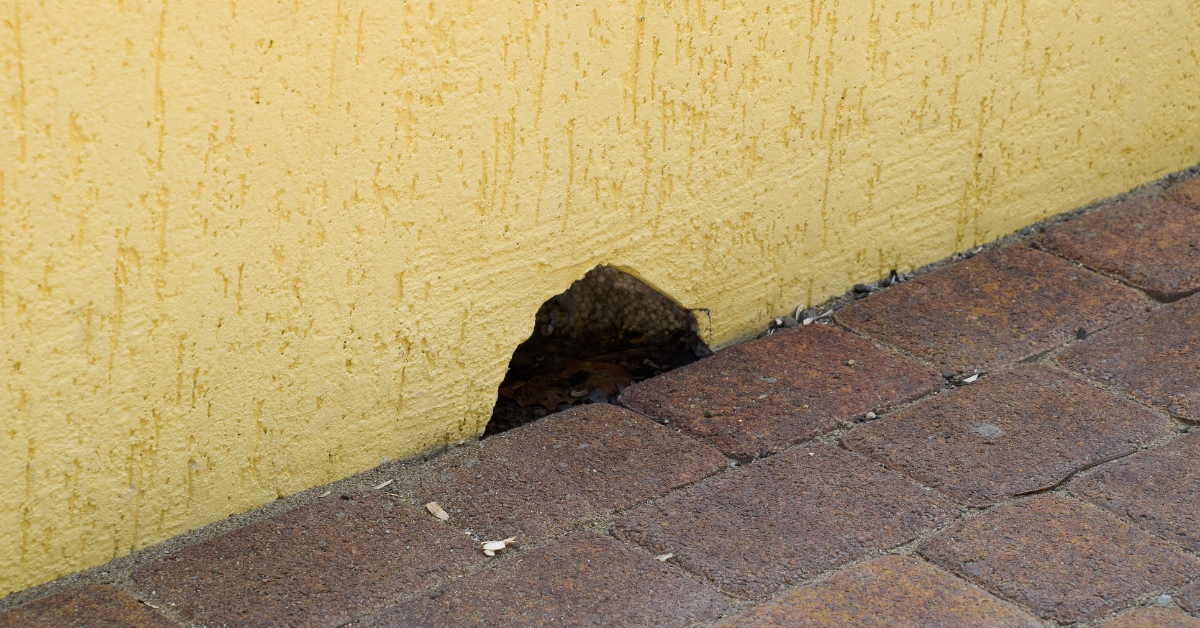 Places Rodents Sneak Into Homes Before Winter
- Pest Control
Ford’s Hometown Services 10/01/26Read More -
 August Testimonial Prompt Service & Clear Answers
- Pest Control
Ford’s Hometown Services 09/29/26Read More -
 The Silent Damage Rodents Cause Before You See Them
- Pest Control
Ford’s Hometown Services 09/01/26Read More