




Worcester Pest Identification: Mice
Protect Your Home from Destructive & Unhealthy Mouse Infestations Serving Central Massachusetts
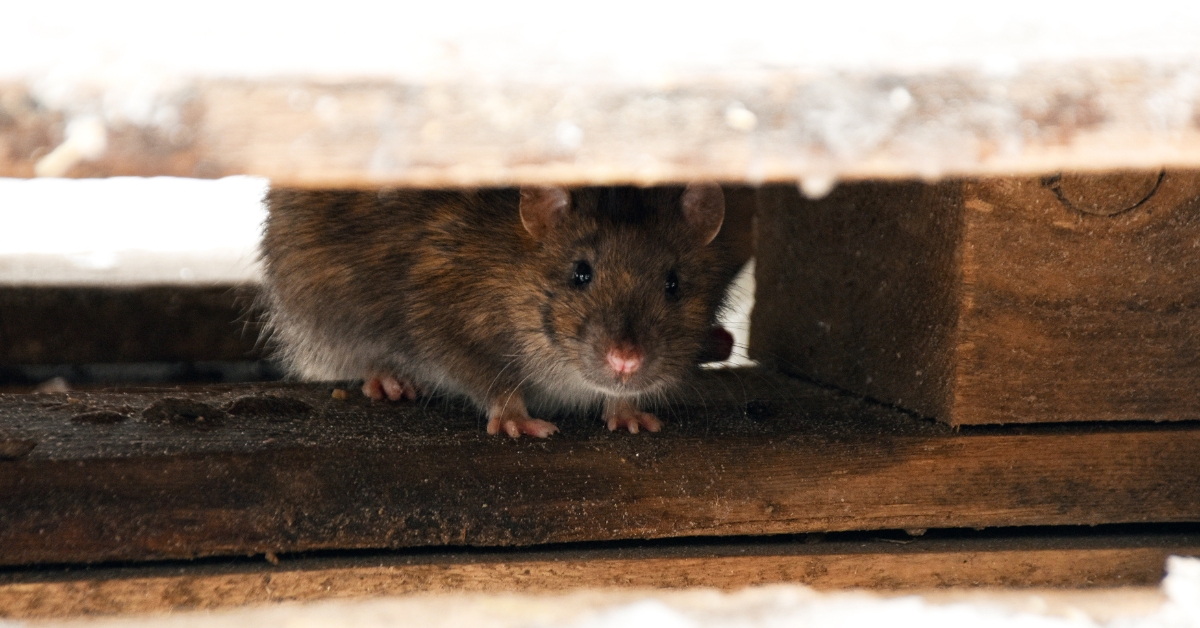
Mice are common yet unwelcome guests in homes, exhibiting behaviors and characteristics that are both intriguing and problematic. They typically live for 12 to 18 months, but indoors, with abundant food, water, and shelter, they can live up to two or three years. They are also skilled chewers, damaging materials like drywall, wood, carpeting, and electrical wires. Their ability to squeeze through tiny openings, as small as a pencil's width, and create new entry points makes them formidable intruders.
Mice can survive in remarkably small areas with limited amounts of food and shelter, so mouse control can be straightforward if you know what to look for and what to do. If you suspect you have mouse issues, look for gnawed areas, tiny mouse droppings that look like dark grains of rice, and tracks in dust, snow around foundations, and dirt. Their constant gnawing can cause extensive household damage and is a huge fire risk, as they like to gnaw on wiring covered with insulation. According to Gordon E. Ivory, CFEI, CVFI, CFII, RL (Certified Fire and Explosion Investigator), up to 20% of undetermined fires are believed to be caused by rodents chewing on wires.
Effects from mouse droppings and urine can also lead to serious illnesses in people, such as salmonella and Hantavirus. One mouse can leave a staggering 3,000 droplets of urine and 40 to 60 droppings per day.
However, the most effective mouse control starts with good sanitation: cleaning and properly maintaining food storage areas so they do not attract mice. In fact, all places where food is stored, processed, or used should be made mouse-proof so that mouse control is more efficient from the start. That means sealing up any holes or openings larger than a quarter of an inch, paying special attention to foundations, pipe openings, vents, and other points of entry to the indoors. Good mouse control is helped considerably by the proper sealing of these kinds of external access points.
Signs of a mouse infestation include droppings, gnaw marks, footprints, rub marks, established runways, and sightings. Homeowners should be vigilant in recognizing these signs for early intervention.
Mice are adaptable, staying indoors year-round and becoming noticeable during fall migration. They can squeeze into tiny holes, hoard various items, and chew through various materials. Mice are also good jumpers, climbers, and swimmers, often traveling along walls and edges.
Recognizing infestation signs is crucial for prompt and effective control measures. Mouse control and mouse management are service specialties here at Ford's Hometown Services.
Central Mass Trusts Us. See Why.
-
A"They are courteous and generous with their expertise."Adrian Santiago
-
K"I was very pleased with this service and his professionalism."Karen Steele
-
c"This year my lawn is the best looking I've ever seen it."chief253hq
-
c"This year my lawn is the best looking I've ever seen it."chief253hq
-
K"Thank you so much for all your services! The communication offered from Ford's really has been exceptional! From inquiring about different services to scheduling, to conversations with the technicians regarding how the property looked and offering opinions about additional services. I can't forget the full support with the IPM program as well!! Thank you for instilling professionalism throughout the entire company — it's noticeable and very much appreciated!!”"Kerri C.
-
C"Super professional and very thorough."Central Mass Orthodontics
-
C"Super professional and very thorough."Central Mass Orthodontics
-
V"The technician was very friendly, professional, and helpful."Victor H Calderon
-
K"You are very lucky to have an employee that is so dedicated."Kevin Daley
Stay Ahead of Pests
Explore tips, local advice, and real answers from our Worcester team to help you protect your home, family, and property all year long.
-
 Hidden Mosquito Breeding Grounds Homeowners Miss
- Pest Control
Ford’s Hometown Services 07/01/26Read More -
 Serving Our Customers and Community, One Property at a TimeFord’s Hometown Services 06/29/26Read More
 -
 How Rodents Get Into Homes Through Tiny Openings
- Pest Control
Ford’s Hometown Services 06/01/26Read More